Generic competition
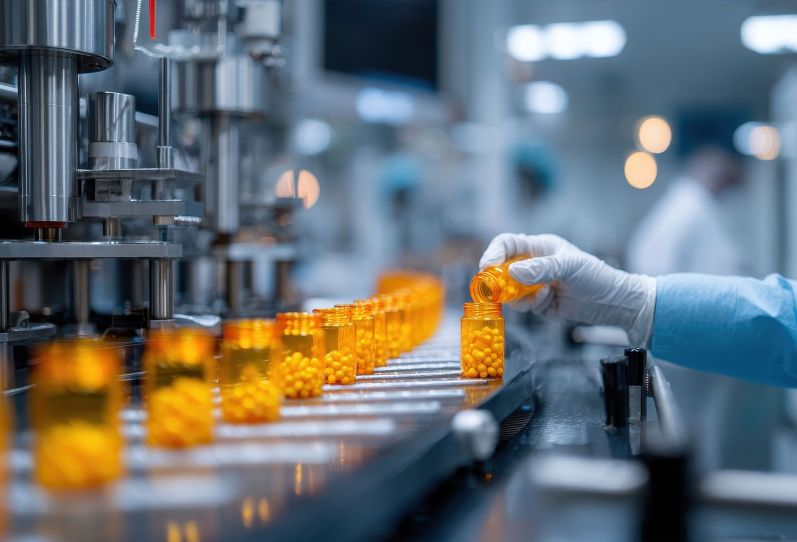
A generic medicine contains the same active ingredient as the equivalent original branded drug, and it is marketed once the originator's patent protection has expired. Generics are authorised to the same standards of safety, quality and efficacy as original branded drugs, and they have to demonstrate their bioequivalence to the original product in clinical studies. When an original branded drug loses its patent protection, generic equivalents are launched, typically by many manufacturers. The competition between these manufacturers drives down prices, often leading to a reduction of 90% or more within a few weeks.
Virtuous circle
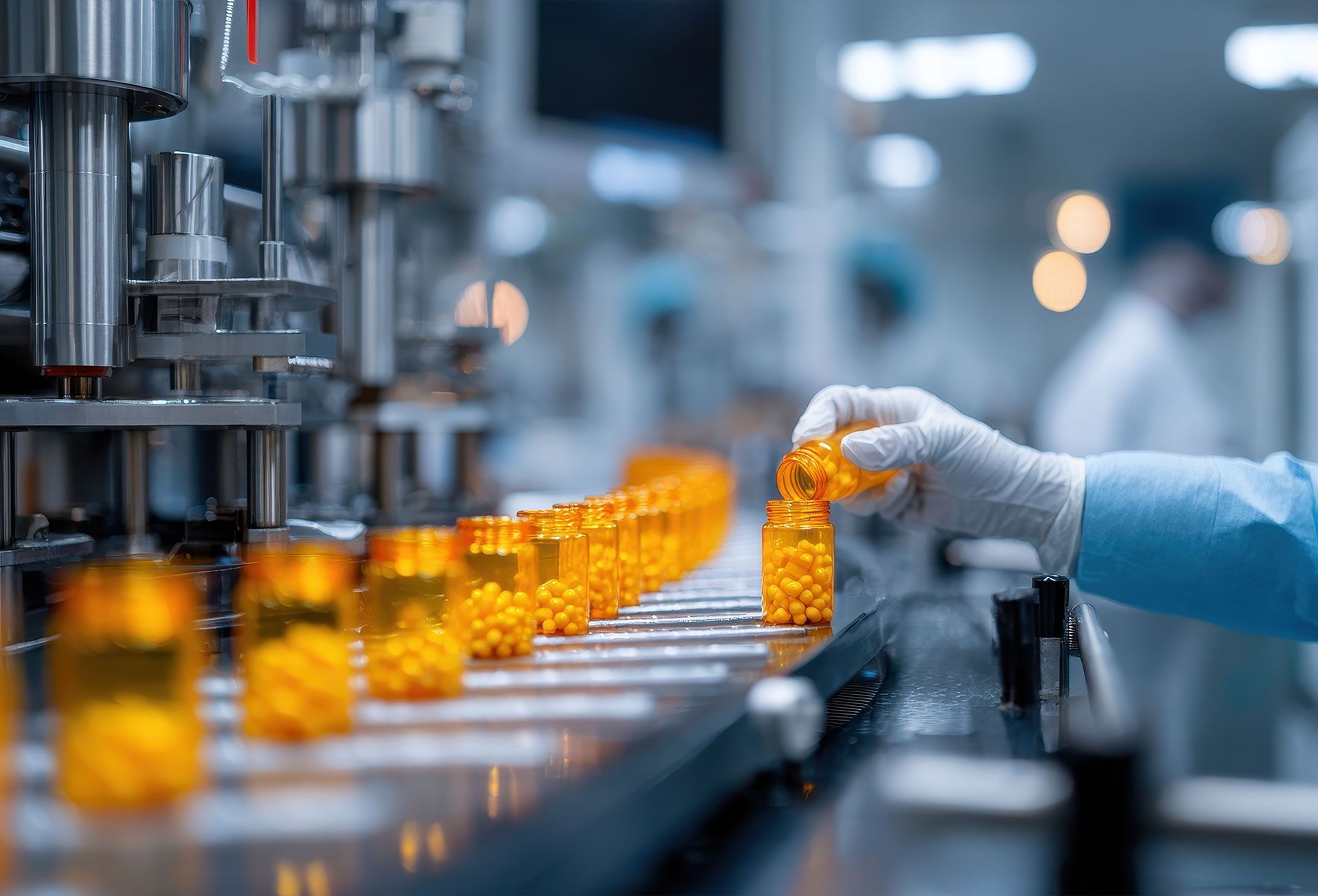
The interaction between branded and generic medicines is a virtuous circle: today's new drug is tomorrow's generic, with generics providing the headroom for investment in further new drugs as well as the commercial incentive to develop them.
Many countries in Europe determine the cost of their generic medicines by a range of mechanisms, including basing them on the price of the equivalent branded drug, tendering, or other forms of reference pricing. This stifles competition and reduces the number of companies in the market, leading to increased risk of shortages of medicines. It also delays generic entry to the market, costing health services money due to the later onset of generic competition.
In the UK, market prices are set by competition, with no barriers to entry other than gaining the product's marketing authorisation based on its safety, quality and efficacy. This leads to a vibrant multi-source market in generics, minimising the scope for shortages and delivering on average the lowest market prices in Europe – and beyond.
Reimbursement
Unlike most of the rest of Europe, the vast majority of generic medicines in the UK are marketed by the generic name or International Nonproprietary Name (INN). GPs are trained at medical school to write prescriptions by INN except where there is a clinical reason for doing otherwise. Hospital trusts also encourage their GPs to prescribe generics to benefit from the savings due to their lower costs.
The reimbursement price – the price paid by the NHS to community pharmacists – changes quarterly. It is set by the Department of Health and Social Care (DHSC) and is based on quarterly returns by all generic manufacturers of the volumes sold of each product and the net revenues gained.
The department sets the reimbursement price according to a formula that manages the profit made by pharmacists from dispensing generic medicines.
In this way, GPs have incentives to prescribe generics, and pharmacists have incentives to dispense them, while prices are based on competition with minimal government interference. This lack of bureaucracy ensures that the NHS benefits from high savings due to early generic entry to the market. Other EU member states have more bureaucratic systems and achieve lower savings, and then only after considerable delay.
Latest industry news
Partnership will revive inactive licences to solve critical medicines shortages
By Jeremy Durrant