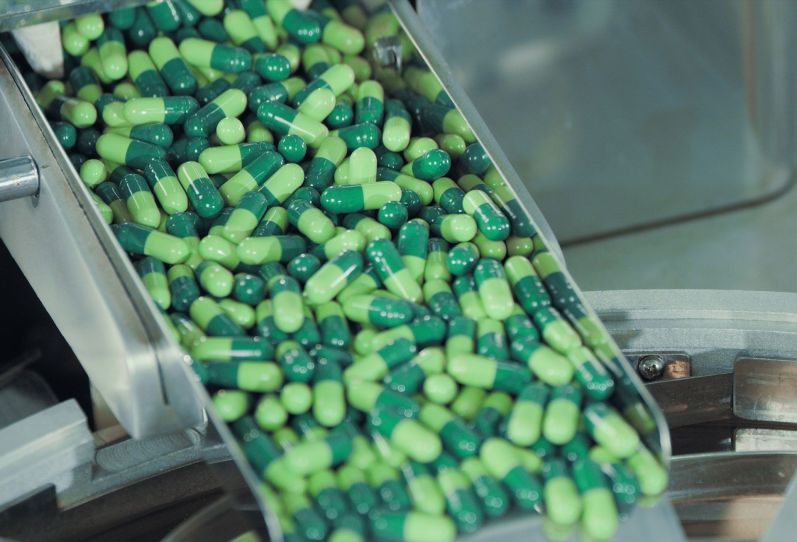
Net-zero NHS
Our members take their environmental responsibilities seriously and many have committed to reaching net-zero carbon emissions. Medicine factories across the UK, Europe, India and China are moving towards using renewable energy, and research is actively under way into developing 'green' ingredients and processes for medicines manufacturing.

Member engagement
We are keen to ensure our investment goes into achieving genuine reductions in environmental impact, and we work with regulators and major customers to ensure they do not require unnecessary reporting processes which take investment away from environmental mitigation. Our supply chains are complex and global, and our product portfolios can be huge.
This means that detailed reporting on third-party emissions, or the emissions of individual products, can be extremely costly. Imposing such requirements on a sector where many products have extremely low margins puts at risk the investment needed to genuinely reduce environmental impact.
We meet regularly with NHS England's Medicines Net Zero team and represent the healthcare sector in discussions with DEFRA on the Packaging EPR scheme.
We have a Sustainability Working Group, through which members can engage in operational issues, and a Sustainability Strategy Group, which looks at longer-term policy issues in this area.
Digital first patient information
In a digital-first world, medicines information for patients needs to stay up to date. Accessing this information digitally makes it easier for patients to navigate, search and enlarge information, as well as translate it or view infographics or instructional videos.
This would increase patient understanding of why and how to take medicines, improving uptake of medicines and adherence to the correct course. This in turn would improve health outcomes. We therefore believe medicines should move to a digital-first approach to patient information, ending the need for a printed leaflet to be provided with every pack. This would have immense environmental benefits through reduced paper use and smaller packs.
We recognise that some people will never be able to access medicines information digitally, and an alternative, non-digital route to medicines information must be maintained for these people.
Latest industry news
The role of medicines in Neighbourhood Health
By Jeremy Durrant


Paul Burden takes chair role at Medicines UK
By Jeremy Durrant


Partnership will revive inactive licences to solve critical medicines shortages
By Jeremy Durrant