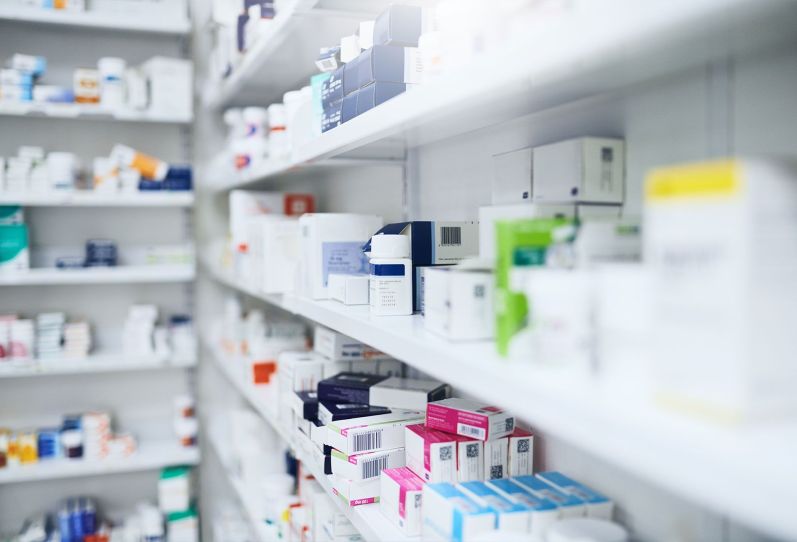
Biosimilars
A biosimilar is a biological medicine that is highly similar to an already approved reference biologic, with no clinically meaningful differences in quality, safety or efficacy. It is approved only after detailed comparisons show it matches the reference product's structure, function and clinical performance. Biosimilars in the UK are used across a wide range of serious and chronic conditions, including cancer, as well as inflammatory and autoimmune diseases. Biosimilar competition provides significant savings to NHS budgets, meaning more patients can access treatment at a lower cost.
Biosimilars overview
Biological medicines, including biosimilars, are highly complex, protein-based molecules made or derived from living organisms, typically using recombinant DNA technology. They are used to treat long-term and complex conditions such as cancer and a range of autoimmune disorders (e.g., rheumatoid arthritis, psoriasis, Crohn's disease) and growth disorders.
Biosimilar medicines are treatments developed to be clinically equivalent to an existing biological medicine. They are marketed following the expiry of the patent on the originator or reference biologic. Biosimilars are comparable to their reference product, with no clinically meaningful differences in safety, efficacy, quality, structural characteristics and biological activity.
Biological medicines have dominated global lists of best-selling prescription drugs. Very successful treatments for rheumatoid arthritis and autoimmune diseases have led the way. As we move forward, other disease areas, such as oncology, are increasingly coming to the fore as targets for new biosimilar medicines.
Saving and access
Biosimilar medicines drive competition and offer a greater choice of affordable biological treatments. In an environment where demand for expensive biological drugs will increase over the coming years, biosimilars can release funds and free up resources so that patients benefit from reinvestment in services and improved access to new and innovative therapies.
Biosimilars also increase patient access, meaning more people can be treated while still saving money. They also often allow patients to be treated earlier in a disease pathway, which can prevent conditions from worsening and decrease reliance on healthcare systems.
Future development
The UK biosimilars market has experienced strong growth in recent years, driven by strategic NHS initiatives and increasing clinical confidence. Biosimilars have played a pivotal role in expanding access to biologic therapies, particularly in areas like oncology, rheumatology and diabetes care.
At the Medicines UK conference in July 2025, the then Minister for Medicines, Karin Smyth, expressed her ambition to make the UK a world-class launch destination for biosimilars – a goal echoed in the national Industrial Strategy and Life Sciences Sector Plan.
Over the next five years, 44 biologics with a combined estimated NHS spend of £2 billion in 2026 will lose patent protection. Applying a biosimilar uptake rate of 70%, we estimate additional savings of £3.465 billion over the five years, but only if the right commercial and operational conditions are in place.