Supply chain resilience
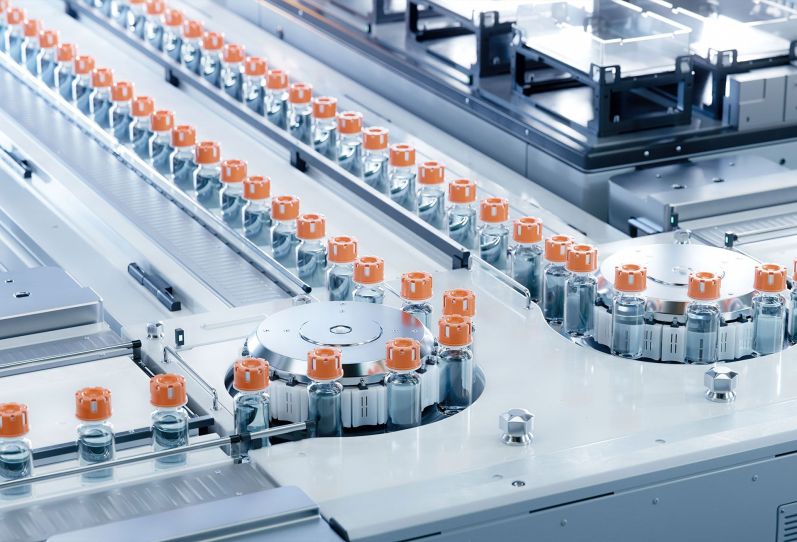
Downward pressure on pricing has forced supply chains to become ever more efficient and cost-conscious, stretching them across the globe and making the UK reliant on international trade routes. While the UK produces around 25% of the finished medicines the NHS uses, the active pharmaceutical ingredients (APIs) and their starting materials are sourced from Europe, India and China. China alone is estimated to supply 80% of the world's starting materials for APIs. In an era of geopolitical tension, greater diversity in sourcing would offer more security and underpin supply resilience.

Strategic priority
Strengthening domestic manufacturing and forging trusted international partnerships are of critical importance for supply chain resilience. The UK must treat medicines security as a strategic priority in both domestic and foreign policy. Medicines UK supports the need for a commercial and policy environment that encourages investment in UK facilities, alongside partnerships with allies that safeguard supply in times of crisis.
Stockpiling
During the pandemic, a key reason the UK did not run out of medicines was because of stockpiles agreed with industry to ease the transition of leaving the EU.
No such formal agreement now exists for critical medicines outside of vaccines. Stockpiling has been looked at closely in Europe as part of the EU's Critical Medicines Act.
Medicines UK's view is that stockpiling can be counterproductive, and if it is to be considered as a measure for broader resilience, several factors must be thought through, including who funds the production and storage of additional medicines.
Additionally, what constitutes an essential medicine is also a subject of debate and depends on the type of crisis we are preparing for. For example, medicines to mitigate the impact of an energy crisis may differ from those required in a major cyberattack on the NHS.
Latest industry news
Partnership will revive inactive licences to solve critical medicines shortages
By Jeremy Durrant