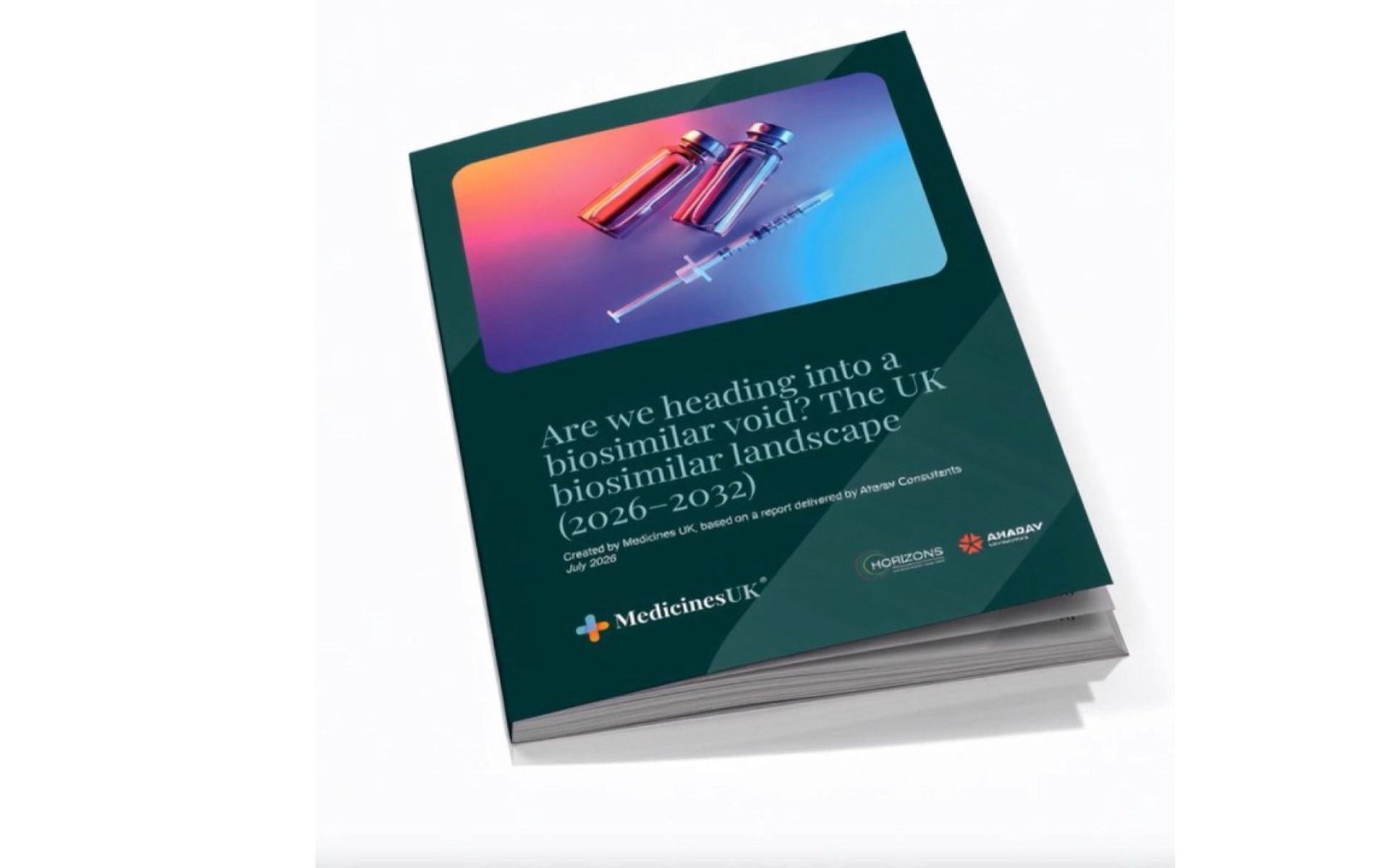
UK Biosimiliar Void Report
The UK landscape (2026–2032)
The UK is entering a golden age of potential biosimilar launches, with 74 major biologic medicines – including weight loss treatment Semaglutide – set to lose exclusivity between now and 2032. But without decisive action, the NHS risks facing a growing ‘biosimilar void’ as manufacturers struggle to recoup of cost of bringing a biosimilar to market, according to new research from Medicines UK. And where significant global demand does exist for the high-value biosimilars, another challenge is that manufacturers prioritise more profitable markets in the EU and US.
The Biosimilar Void
UK impact
This emerging biosimilar void would deny the NHS billions of pounds in potential savings and restrict patient access to treatments that could be offered earlier in clinical pathways. It would destroy the classic pharmaceutical affordability model that has been accepted over the past thirty years whereby new innovation is paid for the generic and biosimilar entrants bringing down prices when patents expire.
These findings are published today in a new study from Medicines UK, produced in partnership with Aharav Consultants and draws its findings from analysis of the company’s proprietary HORIZONS® dataset.

Mark Samuels
Chief executive, Medicines UK
“The UK has a once‑in‑a‑generation opportunity to secure billions in savings and expand patient access through biosimilars. But that opportunity is not guaranteed. Biosimilars are expensive to make, and so we need to make supplying them attractive to create NHS access to the largest number. Conversely, as global demand accelerates, likely for the big biologic blockbusters coming off-patent, manufacturers will prioritise the most attractive markets to achieve a return on investment - and unless we act decisively, the UK risks falling to the back of the queue. We must ensure the NHS remains a first‑choice destination for biosimilar launches, not a market that gets left behind.
“For the past 30 years, the NHS and other developed world healthcare payers have been able to control pharmaceutical spending by relying on generic medicines to bring prices down following patent expiry. Left unchecked, the Biosimilar Void is likely to destroy this expectation. The missed opportunities are likely to proliferate in the next decade, the same period covered by the UK’s agreement with the US to spend more on pharmaceuticals, and in particular, patented medicines.”